

Rural tourism has been growing in popularity, with more and more people seeking authentic and tranquil travel experiences. However, this sector also faces unique challenges, such as a lack of visibility and accessibility, which technology can help address. This comprehensive guide will delve into the ways local Small and Medium-sized Enterprises (SMEs) can adopt technology to enhance rural tourism offerings.
Bridging the Gap with Digital Presence
For rural tourism operators, the first step in embracing technology is establishing a digital presence. The internet provides an accessible platform for businesses to reach a global audience. Websites, social media, and online travel platforms can significantly increase visibility and connect rural businesses with potential customers.
A well-designed, user-friendly website is a crucial asset. It can showcase your services, provide information about the local area, and offer online booking facilities. Engaging on social media, such as Facebook and Instagram, can also help build a strong online community and draw attention to your offerings.
Utilizing Mobile Apps
The emergence of mobile apps has revolutionized the way tourists plan and experience their travels. Local SMEs can leverage this technology by either developing their own apps or partnering with existing platforms.
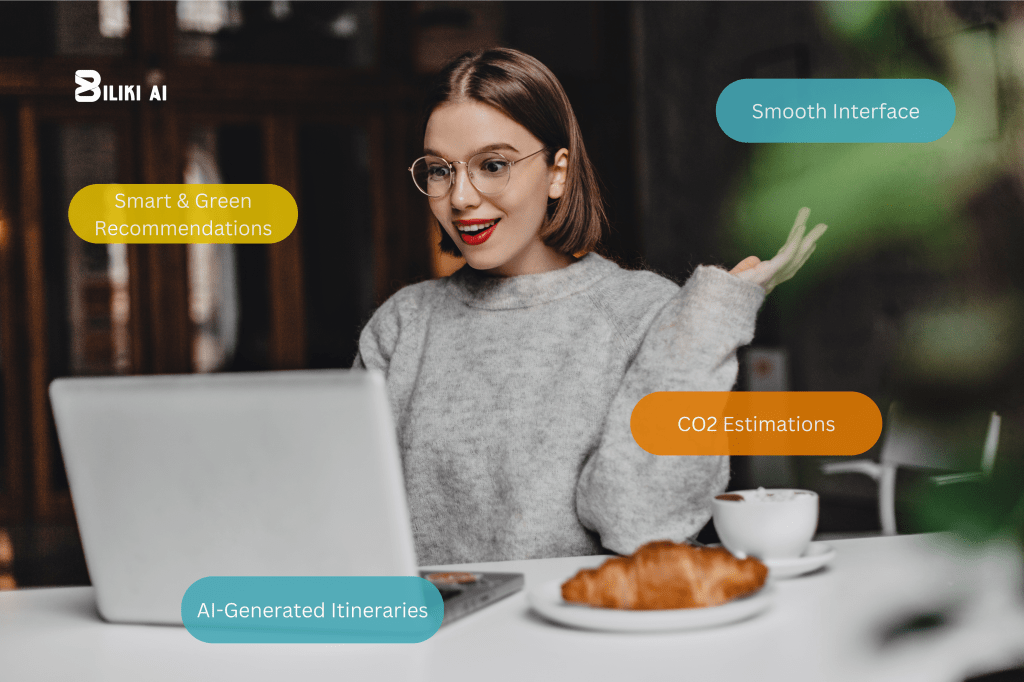
For example, Biliki, a mobile marketplace for self-guided tours and local experiences, can be an excellent platform for rural businesses. By featuring their offerings on Biliki, SMEs can tap into a community of travelers seeking unique, sustainable experiences.
Empowering Experiences with GPS Technology
GPS technology is particularly valuable in rural tourism, where attractions are often spread out and not as well signposted as in urban areas. GPS-enabled self-guided tours can allow tourists to explore at their own pace, enhancing the sense of adventure and discovery.
GPS can also help businesses monitor visitor behavior, such as popular routes and stops, and use this data to improve their offerings.
Promoting Sustainability
Technology can also contribute to sustainable practices, a growing concern among travelers. Digital platforms can promote local businesses and encourage economic sustainability. Apps can provide information about public transport options, reducing the reliance on private vehicles and decreasing carbon emissions.
Moreover, digital tools can facilitate the efficient use of resources. For instance, online booking systems can help manage visitor numbers, preventing overcrowding and minimizing environmental impact.
By the way you may find great deals on this link which Booking.com gave to all Biliki users and readers.
Streamlining Operations
On the operations side, technology can enhance efficiency and profitability. Online booking systems can simplify reservation processes, while digital payment solutions can offer convenience to both businesses and tourists. Meanwhile, data analytics can provide valuable insights to inform decision-making and strategy planning.
The Way Forward
Embracing technology can open up a world of opportunities for SMEs in rural tourism. It can enhance visibility, provide valuable tools for tourists, promote sustainability, and streamline operations. While the digital shift might seem daunting, the benefits far outweigh the challenges. As we move further into the digital age, technology will only continue to play a more significant role in shaping the future of rural tourism.
Start your digital journey by publishing your business in Biliki App. Make it visible to travelers.
📷 Image by Freepik


 Biliki Diaries
Leave a comment