
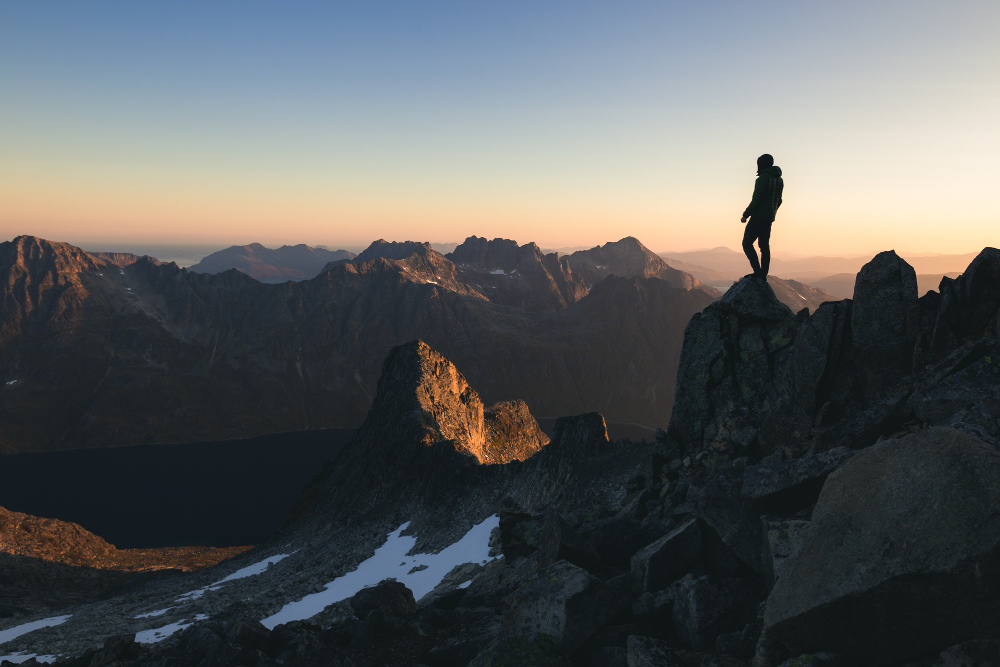
When preparing for a one-day hiking adventure, it’s important to be well-prepared so that your experience is not only enjoyable but also safe. I want to talk about navigation, packing essentials, proper clothing, and the importance of hydration and nutrition. Here, I will dive into some aspects you should consider for a successful day on the trails.
Knowing Your Limits
One of the first things to keep in mind is knowing your own limits. You need to be aware of your physical fitness level and choose a hiking trail that matches it. If you’re not a regular hiker or if you have any health issues, you should opt for a less strenuous trail. Remember that altitude can also affect your physical condition, so take it into account when planning.
Familiarizing Yourself with the Trail
Before you set out, take the time to familiarize yourself with the trail. Understand its level of difficulty and determine whether there are any steep ascents or descents. Know where you can find rest stops or shelter in case of an unexpected change in weather. You may select and check the trail in the Biliki App. It provides the track, difficulty, photos, and in some cases, text descriptions. You may also find reviews and comments from other hikers.
Adapting to the Natural Environment
Nature is unpredictable. It is imperative to learn about the flora and fauna of the area. Knowing how to recognize poisonous plants, what to do if you encounter wildlife, and understanding the signs of approaching inclement weather can be lifesaving.
Communicate Your Plans
Before you head out, make sure someone who is not in your group knows your plans. Give them a rough estimate of your hiking timings. In case something goes wrong, they will know to alert the authorities.
Bringing the Right Technology
While it’s great to unplug from technology during your hike, certain gadgets can be lifesavers. Consider bringing a portable power bank to ensure your phone doesn’t run out of battery. I use a Portable Solar Charger. Also, a whistle can be a lightweight but powerful tool for signaling for help if necessary.
Navigation
While some still prefer to use a paper map, I enjoy using the Biliki App. Here, I can see the route and my location in relation to this route. Both terrain and satellite maps help me navigate easily. I can download the route offline and use it without the internet. I can also download the GPX file and use it in any other device or application.
It’s essential to understand that typical smartphones are not ideally equipped to withstand the rigors of the outdoors, and battery life can often be a concern. As such, I prefer using outdoor-specific smartphones. Currently, I’m using the Land Rover Explore, but I have my sights set on the CAT S62 PRO as my next choice.
Understanding Basic First Aid
In addition to carrying a first-aid kit, it’s vital to know basic first aid techniques. Understand how to treat blisters, sprains, heat exhaustion, and other common hiking ailments. While in Georgia you can find good First Aid Kits in pharmacies, you may need specific lightweight kits created for hiking. I recommend taking something like EVERLIT 250 Pieces Survival First Aid Kit or Advanced First Aid Kit.
Selecting the Right Hiking Backpack
A backpack is one of the most important pieces of gear for day hiking. A 20-25 liter backpack is ideal for simple or one-day hikes. At this stage, I don’t spend much on one-day hiking backpacks, so I choose a low-budget RHINO Hiking Backpack, but for longer hikes, I prefer using a high-quality backpack. My choice is Osprey Aether Plus 70.
Selecting Appropriate Clothing
Check the forecast for the tour and make sure to dress for the conditions. Pack extra clothes beyond those required for the trip to be prepared for changing weather. There are a few important things to consider and for me, the most important is hiking shoes. That is why I prefer to spend more but be sure of the quality. For last couple of years do hikes only with my favorite Salewa Hiking Boots. These boots are waterproof, breathable, and high-necked. They are suitable for many types of terrain in the mountains and help to keep my ankles safe.
I have a few recommendations regarding the types of tops and bottoms one should consider. Personally, I prefer T-shirts, but my friend, who is less tolerant of the sun and prone to sunburn, opts for a Sun Protection Long-sleeved Hoodie. Generally, it’s safer to go with a sun-protective long-sleeved hoodie to minimize the risk of sunburn. As for pants, I prefer those which can be transformed into shorts and can be elastic to offer freedom of mobility. CQR Convertible Pants are my latest choice. They are low-budget but good quality.
A hat and sunglasses are as important as other types of clothing or accessories. It’s crucial to choose a hat that covers your ears, as they can also get sunburned. As for sunglasses, you may opt for any pair that feels comfortable, but my recommendation would be the Julbo Vermont Classic Sunglasses. I simply enjoy them very much.
Hiking Poles
The trail is rugged, so for your safety, make sure you take hiking poles with you, as they are good for balance and safety.
Food and Water
Take two liters of water per person. Usually, this is enough for one-day hiking. Pack snacks like energy bars, dried fruits, and nuts that you can easily eat on the trail. I recommend taking Churchkhela – a Georgian energy bar made from grape juice and walnuts. Also, consider taking fruits like bananas or apples.
Trail Etiquette and Leave No Trace Principles
Be a courteous hiker and understand trail etiquette. This includes giving uphill hikers the right of way and saying a friendly hello to fellow hikers. It is important to stay on the trail to minimize the impact on the surroundings. Moreover, adhere to the Leave No Trace principles, which include not leaving anything behind and not taking anything from the trail.
Energy Management and Pacing
It’s not just about having enough food. Managing your energy is crucial. Start at a comfortable pace and avoid rushing at the beginning. Keep your pace steady and listen to your body.
Mindfulness and Enjoyment
Finally, while preparation is key, don’t forget the real reason you’re out there. Take in the surroundings, breathe in the fresh air, and be present. Sometimes, sitting by a stream or taking photos can be the most memorable part of your hike.
By taking into account all these elements, you can ensure that your one-day hiking experience is safe, enjoyable, and one that you’ll remember for all the right reasons. Always remember that nature is to be respected and enjoyed with consideration for yourself, others, and the environment.
📷 Image by wirestock on Freepik



 Biliki Diaries
Leave a comment